
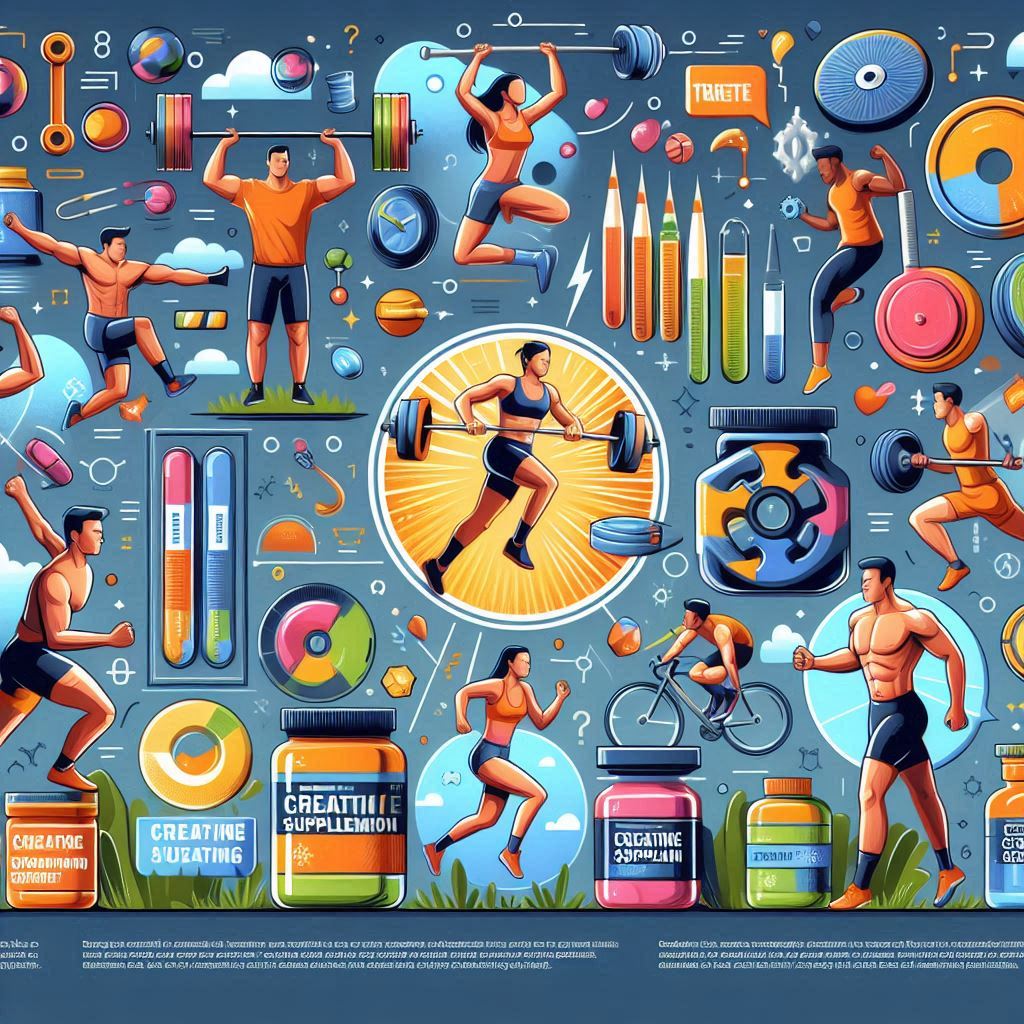
Creatine is one of the most researched and widely used supplements in the fitness world. Known for its ability to enhance physical performance and muscle growth, creatine has become a staple in the regimen of athletes, bodybuilders, and fitness enthusiasts alike. This article delves into the science behind creatine, its benefits, sources, and how to use it effectively.
What is Creatine?
Creatine is a naturally occurring compound found in small amounts in certain foods and synthesized by the body. It is stored primarily in the muscles and is used to produce adenosine triphosphate (ATP), which is the primary energy carrier in cells. During high-intensity exercise, ATP is rapidly broken down to produce energy, and creatine helps replenish ATP levels, allowing for sustained performance.
Benefits of Creatine
- Enhanced Athletic Performance: Creatine is renowned for its ability to boost performance during high-intensity, short-duration activities such as weightlifting, sprinting, and explosive movements. By increasing the availability of ATP, creatine helps athletes push harder and longer.
- Increased Muscle Mass: Regular use of creatine has been shown to promote muscle growth. It does so by increasing water content in muscle cells, which can lead to an increase in muscle size, and by enhancing the signaling pathways that stimulate muscle protein synthesis.
- Improved Recovery: Creatine can aid in post-exercise recovery by reducing muscle cell damage and inflammation. This leads to quicker recovery times and the ability to train more frequently.
- Cognitive Benefits: Emerging research suggests that creatine may have cognitive benefits, including improved memory and mental performance. It is believed to support brain energy metabolism, particularly during tasks that require intense mental effort.
Sources of Creatine
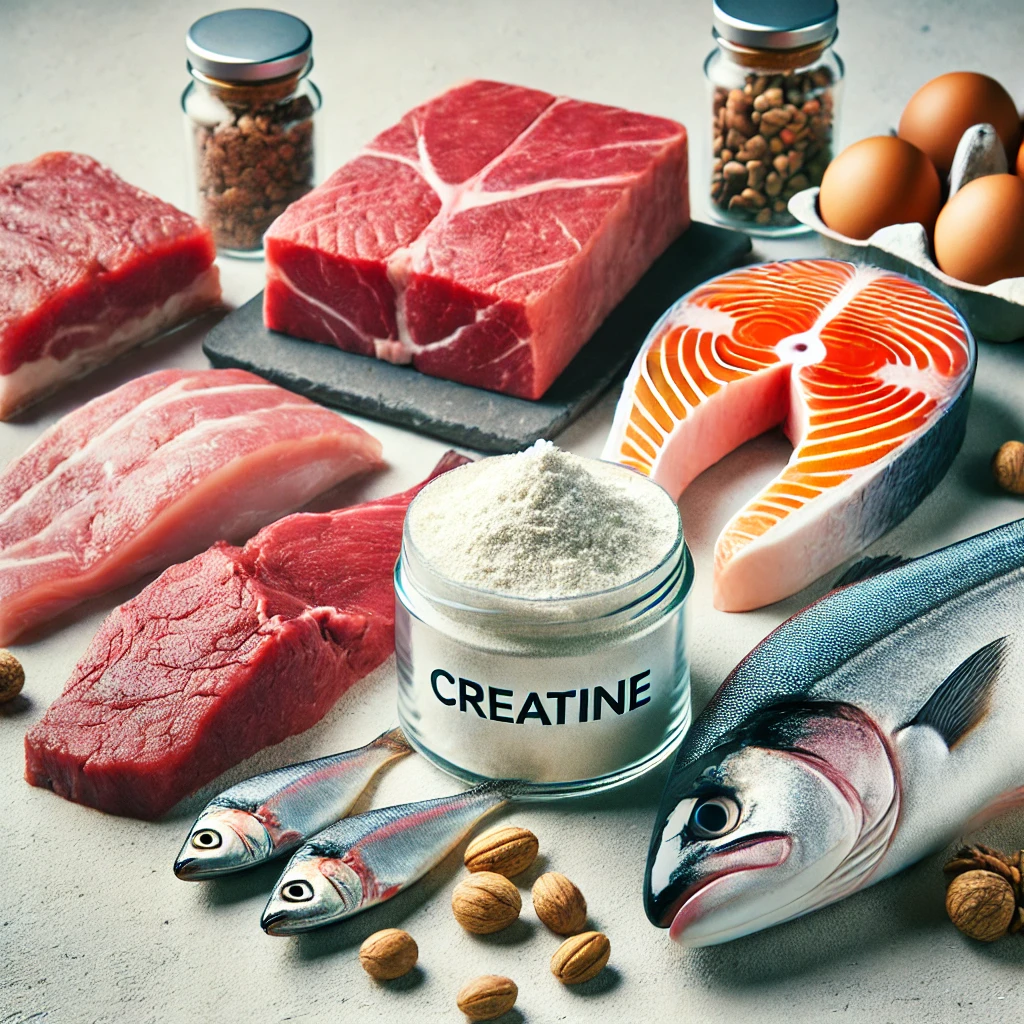
Creatine can be obtained from dietary sources, primarily animal products such as red meat and fish. However, the amounts obtained from food are relatively small compared to what can be achieved through supplementation. Therefore, many individuals opt to use creatine supplements to ensure they are getting an effective dose.
How to Use Creatine
Creatine is typically taken in the form of creatine monohydrate, which is the most studied and proven form. The most common approach to supplementation involves a loading phase followed by a maintenance phase:
- Loading Phase: Take 20 grams of creatine per day, divided into 4 doses, for 5-7 days. This saturates the muscles with creatine quickly.
- Maintenance Phase: Take 3-5 grams of creatine per day to maintain elevated creatine levels in the muscles.
It is important to stay hydrated while using creatine, as it increases water uptake in muscle cells. Creatine can be taken with water, juice, or mixed into a shake.
Safety and Side Effects
Creatine is considered safe for most people when used as directed. Some individuals may experience mild side effects such as stomach cramps or digestive issues, but these can often be mitigated by adjusting the dosage or ensuring adequate hydration. Long-term studies have shown no adverse effects on kidney or liver function in healthy individuals.
Conclusion
Creatine stands out as a powerful and effective supplement for enhancing athletic performance, promoting muscle growth, and supporting recovery. Its safety and efficacy are well-supported by scientific research, making it a valuable addition to any fitness regimen. As always, consult with a healthcare professional before starting any new supplement to ensure it is appropriate for your individual needs and health status.